What Skin Concerns Can Fractional CO2 Laser Treatment Address?

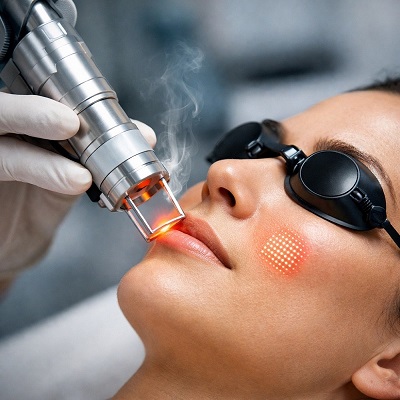
Healthy, smooth, and youthful-looking skin is something many people aim to maintain, but various skin concerns can affect its overall appearance and texture. Acne scars, fine lines, uneven pigmentation, enlarged pores, and sun-related damage may gradually become more noticeable due to ageing, environmental exposure, and changes in collagen production. Modern aesthetic procedures offer different approaches to improving these concerns, with Fractional CO2 Laser Treatment in Dubai being a popular skin resurfacing option. This advanced treatment works by creating controlled microscopic injuries in the skin, encouraging its natural renewal process and supporting collagen production. Understanding which concerns it can address helps individuals make informed decisions about their skincare goals.
Understanding Fractional CO2 Laser Treatment
Fractional CO2 laser technology is designed to improve skin quality through controlled laser energy. Rather than treating the entire skin surface at once, it creates tiny treatment zones surrounded by untreated tissue. These microscopic channels stimulate the body's natural healing response while encouraging the production of collagen and elastin.
Collagen plays an important role in maintaining skin firmness, elasticity, and structure. As collagen production changes with age, the skin may develop wrinkles, uneven texture, and visible signs of damage. Laser resurfacing helps support the skin's renewal process, gradually improving its overall appearance.
The treatment can be adjusted according to individual skin concerns, treatment areas, and skin characteristics. A professional assessment is important to determine whether this approach is appropriate for someone's needs.
Skin Concerns That Fractional CO2 Laser Treatment Can Address
Acne Scars and Uneven Skin Texture
Acne scars are among the common concerns that affect skin smoothness and confidence. When acne-related inflammation damages deeper skin structures, it can leave behind depressed scars, rough patches, and uneven texture.
Fractional CO2 laser technology helps improve the appearance of certain acne scars by stimulating collagen remodelling. As the skin heals, new collagen can gradually improve the appearance of depressed areas and create a smoother surface.
The treatment may be particularly useful for selected atrophic acne scars, although results depend on scar depth, type, and individual skin characteristics. Deep or extensive scarring may require a combination of treatment approaches.
Fine Lines and Wrinkles
Fine lines and wrinkles naturally develop as collagen and elastin levels change over time. Repeated facial expressions, sun exposure, and environmental factors can also contribute to visible lines around the eyes, forehead, and mouth.
Laser resurfacing encourages collagen production and skin renewal, which may help soften the appearance of fine lines and improve skin texture. It can also support a firmer-looking complexion by addressing some of the structural changes associated with ageing.
Although the treatment can improve selected wrinkles, it does not completely stop the ageing process. The extent of improvement depends on the condition of the skin and the depth of existing wrinkles.
Sun Damage and Uneven Skin Tone
Regular exposure to ultraviolet radiation can gradually affect skin quality. Sun damage may appear as rough texture, uneven pigmentation, fine lines, and areas of discolouration.
Fractional laser resurfacing can improve certain superficial signs of sun damage by encouraging the replacement and renewal of damaged skin cells. It may also help create a more uniform-looking complexion.
However, not every pigmentation concern responds in the same way. Certain pigmentation conditions, including melasma, may worsen with aggressive heat-based procedures. A proper skin evaluation is essential before selecting a treatment approach.
Enlarged Pores
Enlarged pores can make the skin appear uneven, particularly around the nose, cheeks, and forehead. Excess oil production, reduced skin elasticity, ageing, and previous acne can all influence pore appearance.
Fractional CO2 laser treatment may help improve the surrounding skin texture and support collagen production. As the skin becomes smoother and firmer, pores may appear less noticeable.
It is important to understand that pores cannot be permanently eliminated. The objective is to improve overall skin quality and reduce their visible appearance.
Stretch Marks
Stretch marks develop when the skin stretches rapidly, affecting its underlying structural fibres. They may appear during periods of growth, pregnancy, or significant changes in body size.
Fractional laser technology can help improve the texture and appearance of certain stretch marks by stimulating collagen remodelling. This process may make affected areas appear smoother and more consistent with the surrounding skin.
The results depend on whether the stretch marks are newer or older, their colour, depth, and location. Multiple sessions may be recommended depending on the individual's skin condition.
Surgical and Injury Scars
Scars can remain visible after injuries, surgical procedures, or other forms of skin trauma. Some scars may appear depressed, uneven, or textured compared with the surrounding skin.
Laser resurfacing can help improve selected scar characteristics by encouraging collagen remodelling and supporting skin renewal. This may gradually improve the texture and overall appearance of certain scars.
Not all scars respond equally. Raised scars, keloids, and deeper scar tissue may require different management approaches. A specialist assessment helps establish the most appropriate option.
Rough and Dull Skin
Dead skin cell accumulation, environmental exposure, and reduced natural skin renewal can contribute to a dull or rough complexion. These changes may make the skin appear less smooth and radiant.
Fractional CO2 laser treatment supports resurfacing by targeting selected areas of the skin and stimulating the healing process. As damaged surface layers gradually renew, the complexion may develop a smoother and more refined appearance.
Improved skin texture can also help create a more consistent appearance across the treated area.
Age-Related Skin Changes
Ageing affects several aspects of skin structure, including collagen production, elasticity, and cellular renewal. These changes can contribute to wrinkles, uneven texture, and a loss of firmness.
Laser resurfacing encourages collagen remodelling, which may help improve selected signs of ageing. It can support smoother-looking skin and improve the appearance of fine lines and textural irregularities.
The treatment is not a replacement for every anti-ageing procedure, but it can form part of a personalised skin rejuvenation approach.
How Does Fractional CO2 Laser Treatment Work?
The procedure uses controlled laser energy to create microscopic treatment zones within the skin. These targeted areas trigger a natural healing response while leaving surrounding tissue available to support recovery.
The process generally involves several stages:
-
Skin preparation: The treatment area is cleansed, and appropriate numbing measures may be used to improve comfort.
-
Laser application: Controlled laser energy is delivered to the selected skin areas according to the treatment plan.
-
Natural healing: The skin begins its repair process, encouraging cellular renewal and collagen production.
-
Skin remodelling: Over the following weeks and months, collagen remodelling may gradually improve texture and the appearance of targeted concerns.
The number of sessions and intensity depend on the individual's skin condition, treatment goals, and professional assessment.
What Results Can Individuals Expect?
Results develop gradually because the treatment relies partly on the skin's natural healing and collagen production processes. Some improvements in skin texture may become noticeable as the initial recovery progresses, while deeper structural changes can take several months.
The outcome varies depending on the concern being treated, skin type, age, and overall skin condition. Some individuals may benefit from one session, while others may require multiple treatments to achieve their desired improvements.
Realistic expectations are important. The treatment can improve the appearance of selected skin concerns, but it cannot guarantee completely scar-free skin, eliminate every wrinkle, or permanently remove pigmentation.
Who May Be Suitable for This Skin Resurfacing Treatment?
Individuals experiencing acne scars, uneven skin texture, selected wrinkles, enlarged pores, or certain types of superficial skin damage may be considered for fractional laser resurfacing.
However, suitability depends on several factors, including skin tone, medical history, existing skin conditions, and previous aesthetic treatments.
Individuals with active skin infections, certain inflammatory skin conditions, or a history of abnormal scarring may require additional evaluation. Those with darker skin tones may also have a higher risk of post-inflammatory pigmentation changes following aggressive laser treatments.
A detailed consultation helps determine whether the procedure is appropriate or whether another skin rejuvenation option would be more suitable.
Important Considerations Before and After Treatment
Proper preparation and recovery management are essential for achieving the best possible outcome. Before the procedure, individuals should discuss their skincare routine, medical history, previous treatments, and any medications that may influence skin healing.
Following treatment, temporary redness, swelling, sensitivity, and skin peeling may occur. These effects are generally part of the healing process, although their intensity and duration vary.
Professional aftercare guidance may include:
-
Keeping the treated area clean and following recommended cleansing instructions.
-
Applying suitable moisturising products as advised.
-
Avoiding direct sun exposure and using broad-spectrum sunscreen.
-
Avoiding harsh exfoliants and irritating skincare ingredients until the skin has recovered.
-
Allowing the skin to heal naturally without picking or scratching peeling areas.
-
Following the recommended interval before undergoing another resurfacing session.
Following professional instructions can help support recovery and reduce the risk of unwanted skin reactions.
Why Is Professional Skin Assessment Important?
Every individual's skin has different characteristics, concerns, and treatment requirements. A procedure that works well for one person may not provide the same results for someone with a different skin type or condition.
Professional assessment helps identify the underlying cause of skin concerns and determine whether fractional resurfacing is appropriate. It also allows the treatment intensity, targeted areas, and expected recovery period to be discussed before proceeding.
A personalised approach is particularly important when addressing pigmentation, acne scars, and sensitive skin conditions. Selecting the Fractional CO2 Laser Treatment strategy can help improve safety while supporting more realistic aesthetic outcomes.
Book Us
Achieving smoother, healthier-looking skin begins with choosing an appropriate treatment approach based on individual skin needs. Enfield Royal Clinic Dubai offers personalised aesthetic care focused on understanding different skin concerns and exploring suitable rejuvenation options. Individuals interested in improving acne scars, fine lines, uneven texture, enlarged pores, and other skin irregularities can arrange a consultation to discuss their goals and treatment suitability. Discover how a tailored skin rejuvenation plan can support a more refined complexion and help restore confidence in the appearance of the skin.
Latest comments
No comments