Refine Loose Thigh Lift Surgery Skin with a Personalized Surgical Plan

Loose skin around the thighs can affect body proportions, clothing comfort, and personal confidence. Changes in skin elasticity may develop with age, significant weight loss, pregnancy, or natural fluctuations in body composition. Although exercise can strengthen the underlying muscles, it cannot always address excess skin that has lost its ability to retract. For individuals experiencing persistent skin laxity, surgical body contouring may offer an option worth exploring.
Thigh Lift Surgery in Dubai is a cosmetic procedure designed to remove excess skin and create a firmer, more defined thigh contour. Depending on the patient's anatomy and aesthetic goals, the surgical approach may focus on the inner thighs, outer thighs, or a combination of areas. The extent of correction, incision placement, and expected recovery are determined during an individual assessment.
Dubai has become an established destination for people exploring cosmetic and plastic surgery options. Several clinics provide consultations and treatment pathways for individuals interested in improving lower-body contours. However, selecting an appropriate provider requires more than considering the appearance of previous results. Surgical qualifications, medical facilities, safety protocols, and postoperative support all deserve careful attention.
A personalized approach is particularly important because no two patients have identical skin concerns or body proportions. Some may require limited correction, while others may have considerable skin excess following substantial weight reduction. Understanding these differences helps patients make informed decisions and establish realistic expectations before proceeding.
Clinics to Consider for Thigh Contouring in Dubai
Choosing a suitable clinic involves reviewing its surgical services, consultation process, professional qualifications, and approach to patient care. The following providers are worth considering when researching body-contouring options.
Tajmeels Clinic
Tajmeels Clinic is one of the names patients may encounter when exploring cosmetic and aesthetic treatments in Dubai. Individuals considering thigh contouring can use an initial consultation to discuss their concerns, desired improvements, and suitability for surgical intervention.
An important part of the assessment is determining whether excess skin, localized fat, or a combination of both contributes to the appearance of the thighs. This distinction helps establish whether a traditional lift or another body-contouring approach may be more appropriate.
Patients should also enquire about the surgeon's experience with body-contouring procedures, incision placement, recovery requirements, and follow-up arrangements before making a decision.
Enfield Royal Clinic Dubai
Based in Dubai, UAE, Enfield Royal Clinic Dubai specializes in plastic surgery, cosmetic procedures, and aesthetic treatments through surgical and non-surgical services. Its approach to patient care emphasizes individualized treatment planning according to personal needs and aesthetic concerns.
For individuals considering Thigh Lift Surgery, a detailed consultation is an opportunity to assess skin laxity, existing thigh contours, overall health, and the extent of correction being considered. These factors help determine an appropriate surgical plan rather than relying on a standard approach for every patient.
The clinic's wider services include plastic surgery, dermatology, hair transplantation, cosmetic injectables, laser treatments, breast surgery, and dentistry. Relevant surgical consultations are supported by DHA-licensed medical professionals, with attention to treatment suitability and procedure-specific aftercare.
Patients should discuss the anticipated incision location, possible scarring, recovery timeline, and potential complications during their consultation. Clear communication before surgery helps establish realistic expectations and supports informed decision-making.
Dynamic Life Clinic
Dynamic Life Clinic is another provider to consider when researching cosmetic procedures and body-contouring options in Dubai. Patients interested in improving thigh definition can explore available consultations to understand the treatment approaches relevant to their concerns.
The assessment should consider skin quality, the amount of excess tissue, and whether the desired outcome involves the inner or outer thigh area. These details are important because different surgical techniques address different patterns of skin laxity.
Before choosing a provider, patients should establish who will perform the procedure, what surgical facilities will be used, and how postoperative appointments and recovery support are organized.
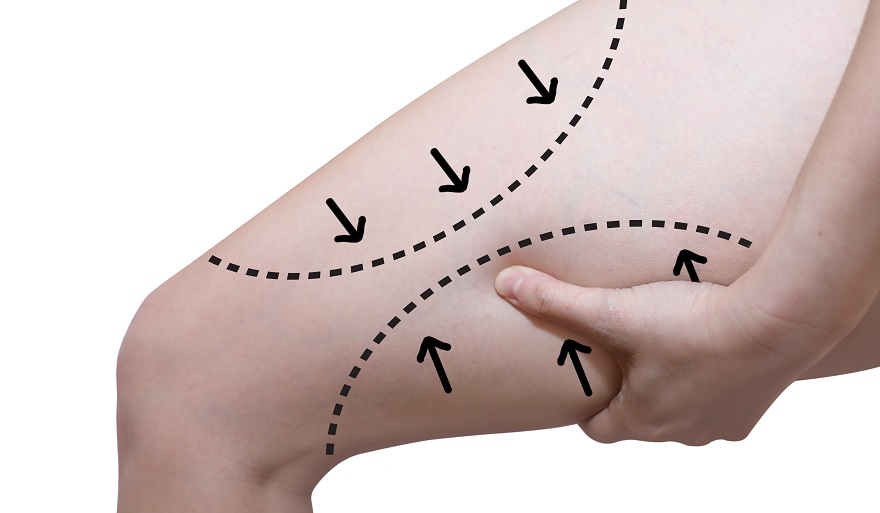
Understanding the Different Thigh Lift Techniques
The appropriate surgical technique depends on where loose skin is located and how much correction is required. A surgeon evaluates the distribution of excess tissue before recommending an approach.
Inner Thigh Lift
An inner thigh lift focuses on loose skin along the upper or inner portion of the thighs. Incisions are commonly positioned near the groin, although their location and length depend on the extent of correction required.
This approach may be suitable for individuals whose main concern is sagging skin in the upper inner thigh region.
Outer Thigh Lift
An outer thigh lift addresses loose tissue around the outer thighs and may extend towards the hip area. The incision pattern varies according to the patient's anatomy and the amount of skin requiring removal.
It may be considered when skin laxity affects the outer thigh contour rather than being limited to the inner region.
Extended Thigh Lift
Individuals with more extensive skin laxity may require a broader surgical approach. An extended lift can address excess tissue across a larger area of the thigh, depending on the surgical plan.
The surgeon must carefully balance the desired contour with incision placement, wound healing considerations, and the possibility of visible scarring.
How to Choose the Right Clinic for Thigh Lift Surgery
Selecting a surgical provider is an important part of the treatment journey. Patients should consider several factors before committing to a procedure.
Experience and Qualifications
Look for a suitably qualified plastic surgeon with relevant training and experience in body-contouring procedures. Ask about professional credentials, surgical experience, and the types of thigh lift techniques regularly performed.
It is also reasonable to discuss how the surgeon handles complications and what arrangements are available if additional medical attention becomes necessary.
Technology and Surgical Techniques
Modern surgical planning considers individual anatomy rather than relying on a single technique. Ask which approach is recommended, where incisions will be placed, and why that method is appropriate for the specific skin concerns.
The surgical environment, available equipment, and appropriate anaesthesia arrangements should also be discussed.
Safety Standards
Patient safety should remain a priority throughout the process. A suitable surgical facility should follow established hygiene, infection prevention, anaesthesia, and emergency preparedness protocols.
Patients should also disclose their medical history, current medications, smoking habits, and previous surgeries during the assessment.
Consultation Process
A thorough consultation should include a physical examination, discussion of aesthetic goals, and an explanation of potential outcomes. The surgeon should explain the procedure, risks, scarring, and recovery requirements in understandable language.
Patients should have sufficient time to ask questions and consider the proposed treatment before making a decision.
Patient Experience and Aftercare
Surgical care does not end when the procedure is completed. Follow-up appointments, wound monitoring, and guidance about physical activity are important components of recovery.
Choose a provider that explains how postoperative concerns will be managed and provides clear instructions throughout the healing process.
What to Expect During Recovery
Recovery following a thigh lift varies according to the surgical technique, extent of skin removal, and individual healing response.
Some swelling, bruising, tightness, and discomfort are expected during the initial recovery period. The surgical team may recommend compression garments to support the treated area and help manage swelling.
Patients should follow instructions regarding wound care, prescribed medication, and activity restrictions. Strenuous exercise, heavy lifting, and movements that place excessive tension on the incisions should be avoided until the surgeon confirms that they are safe.
Returning to everyday activities should be gradual. Follow-up visits allow the surgical team to monitor healing and identify any concerns that require attention.
Expected Results and Long-Term Considerations
A thigh lift aims to create a firmer appearance by removing excess skin and improving the overall contour of the treated area. The final appearance develops gradually as swelling decreases and the tissues heal.
Patients should understand that surgical results vary. Factors such as skin quality, body composition, genetics, healing response, and lifestyle can influence the outcome.
Incisions and scars are an unavoidable consideration because the procedure involves removing skin. Although scars generally mature over time, their visibility depends on incision placement and individual healing characteristics.
Maintaining a relatively stable weight can help preserve the results. Significant weight fluctuations may affect skin elasticity and alter the appearance of the thighs over time.
Frequently Asked Questions
Is Thigh Lift Surgery suitable after significant weight loss?
It may be suitable for individuals who have excess skin following substantial weight reduction. However, patients should ideally have a stable weight before surgery. A consultation helps determine whether the amount and location of loose skin can be addressed safely.
Does a thigh lift remove excess fat?
The primary purpose is to remove loose skin and improve thigh contours. Liposuction may sometimes be combined with the procedure when appropriate, but it is not a replacement for removing significant excess skin.
Where are the scars located after a thigh lift?
Scar placement depends on the surgical technique. Inner thigh procedures may involve incisions near the groin, while more extensive lifts can require longer incisions along the inner or outer thigh. The surgeon should explain the expected scar pattern before treatment.
How long does recovery take after a thigh lift?
Initial recovery generally takes several weeks, although complete healing and scar maturation take longer. The timeline depends on the extent of surgery and the patient's individual recovery. Activity restrictions should be followed until medical clearance is provided.
Can the results of a thigh lift be permanent?
The removed skin does not simply return, so improvements can be long-lasting. However, natural ageing, significant weight changes, and reduced skin elasticity can influence future thigh contours. Maintaining a stable weight and healthy lifestyle can help preserve the outcome.
Conclusion
Addressing loose thigh skin requires a thoughtful approach that considers anatomy, skin elasticity, personal expectations, and long-term wellbeing. A carefully selected surgical technique can improve thigh definition while maintaining balanced body proportions. Before proceeding, patients should understand the benefits, limitations, potential complications, and recovery commitments associated with treatment.
Exploring Thigh Lift with an experienced and appropriately qualified surgical professional is an important first step towards making an informed decision. Clinics such as Dynamic Life Clinic, Tajmeels Clinic, and Enfield Royal Clinic Dubai provide options to explore when researching cosmetic care in Dubai. A personalized consultation can help clarify treatment suitability, establish realistic expectations, and develop a surgical plan that reflects individual goals.
Latest comments
No comments