9 Points To Have A No Cost Estate Planning Advisor

How Long Will I Confidence Innovative Estate Planning Advisor
One major advantage of revocable living trusts is that they allow you to maintain authority over your assets while you're alive. This implies that you can revisit and revise the trust as needed without any legal complications. Wills, however, come into effect only after you pass away, and the distribution process can often take a significant amount of time or even years to complete.A key benefit of living trusts is that they allow you to maintain control over your assets while you're alive. This means that you can review and revise the trust as needed without any legal complications. Wills, however, come into effect only after your death, and the distribution process can often take months or even years to complete.
Ultimately, both trusts and wills have unique benefits and drawbacks. It's necessary to assess what works best you. By taking time to consider your needs and goals, you can develop an estate plan that provides peace of mind and security for your loved ones long into the future. Don't let the complexities of estate planning hold you back; take action.In conclusion, both trusts and wills have unique benefits and drawbacks. It's necessary to assess what works best you. By taking time to consider your needs and goals, you can make an estate plan that provides peace of mind and security for your loved ones long into the future. Don't let the complexities of estate planning hold you back; begin today.As it comes to arranging for the future, understanding the differences between revocable living trusts and wills is crucial. A living trust offer advantages such as avoiding probate, which can be a lengthy and costly process. On the other hand, last wills are typically more straightforward documents that outline your wishes regarding asset distribution after your passing, making them easier to create.
Estate Planning Advisor Is Your Worst Enemy. 10 Ways To Defeat It
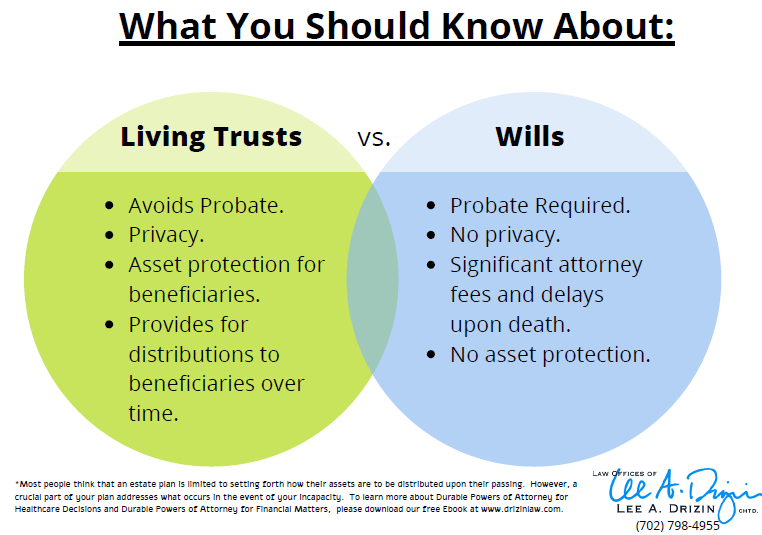
Although both revocable living trusts and last wills serve important roles in estate planning, it's vital to understand the benefits and drawbacks of each option. A living trust can protect your assets and grant privacy since it doesn’t go through public probate. In contrast, a will is public record, which may leave some families uncomfortable with disclosing personal asset details.While both revocable living trusts and last wills serve important roles in estate planning, it's vital to understand the benefits and drawbacks of each option. A revocable living trust can protect your assets and grant privacy since it doesn’t go through public probate. In contrast, a will is public record, which may leave some relatives uncomfortable with disclosing personal asset details.A will is a legal document that outlines how you wish your property to be distributed upon your passing. It can include everything from properties to personal belongings. However, one important aspect to note is that a will must go through a process called legal validation, which can be time-consuming and open to scrutiny. This means your confidentiality may not be preserved during the distribution.
It's also essential to reassess your estate plan regularly, especially after significant life events like marriage, the birth of a child, or a substantial change in your financial situation. This ensures that your provisions reflect your current wishes and that they align with your family’s needs. Consulting an estate planning attorney can provide further insights tailored to your specific circumstances and guide you through the nuances of each option available.It's also essential to reassess your estate plan regularly, especially after significant life events like marriage, the birth of a child, or a substantial change in your financial situation. This ensures that your provisions reflect your current wishes and that they align with your family’s needs. Working with an estate planning attorney can provide further insights tailored to your specific circumstances and guide you through the nuances of each option available.
What Can The Music Industry Teach You About Estate Planning Advisor
Living trusts are frequently praised for their flexibility and performance. Estate Planning Advisor They allow you to handle your assets during your lifetime while specifying how they should be distributed after your passing. This may help avoid probate, which is often a lengthy legal process. Additionally, a living trust offers privacy, as it's not usually made public like a will.Living trusts are often praised for their flexibility and efficiency. They allow you to oversee your assets during your lifetime while specifying how they should be distributed after your passing. This might help avoid probate, which is often a time-consuming legal process. Additionally, a living trust offers confidentiality, as it's not usually made public like a will.When choosing between a testament and a living trust, consider factors such as scope of your estate, your desires for discretion, and how much control you want to maintain over your assets during your lifetime. For instance, if you have minor children, a will can specify their guardianship, while a trust can manage their financial inheritance until they reach a certain age.
Another key distinction revolves around secrecy. Testaments become public documents when they enter probate, meaning anyone can access the details about your estate. In contrast, living trusts maintain privacy since they do not need to go through probate. This quality offers peace of mind for individuals who prefer their asset distribution matters to remain confidential, thus protecting sensitive information from prying eyes.Another key distinction revolves around confidentiality. Testaments become public documents when they enter probate, meaning anyone can access the details about your estate. In contrast, living trusts maintain privacy since they do not need to go through probate. This quality offers peace of mind for individuals who prefer their asset distribution matters to remain confidential, thus protecting sensitive information from prying eyes.
Latest comments
No comments