10 Incredibly Useful Estate Planning Advisor Tips For Small Businesses

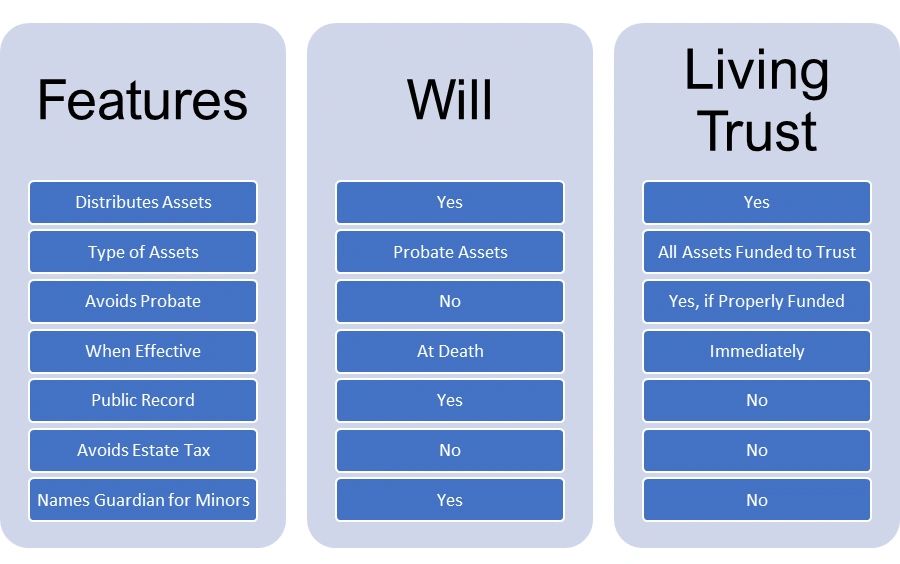
Deciding on whether to set up a living trust or a last will should be based on your unique circumstances. If you have a complicated financial situation or want to ensure a hassle-free transfer of assets, consider a living trust. Even so, a last will might suffice for those with simpler estates or specific wishes following their passing, ensuring that you can prominently leave a mark behind.Deciding on whether to set up a living trust or a will should be based on your unique circumstances. If you have a complex financial situation or want to ensure a hassle-free transfer of assets, consider a revocable living trust. Even so, a last will might suffice for those with simpler estates or specific wishes following their passing, ensuring that you can prominently leave a mark behind.
The Secret Code To Estate Planning Advisor. Yours, For Free Really
A key benefit of revocable living trusts is that they allow you to maintain control over your assets while you're alive. This means that you can revisit and revise the trust as needed without any legal complications. Wills, however, come into effect only after you pass away, and the distribution process can often take months or even years to complete.A key benefit of living trusts is that they allow you to maintain authority over your assets while you're alive. This implies that you can review and revise the trust as needed without any legal complications. Last wills, however, come into effect only after your death, and the distribution process can often take months or even years to complete.While both living trusts and last wills serve important roles in estate planning, it's vital to understand what each option offers. A living trust can protect your assets and grant privacy since it doesn’t go through public probate. In contrast, a last will is public record, which may leave some families uncomfortable with revealing personal asset details.
When choosing between a testament and a living trust, consider factors such as size of your estate, your desires for discretion, and how much control you want to maintain over your assets during your lifetime. For instance, if you have minor children, a will can specify their guardianship, while a trust can manage their financial inheritance until they reach a certain age.When choosing between a testament and a living trust, consider factors such as size of your estate, your desires for privacy, and how much authority you want to maintain over your assets during your life. For instance, if you have minor children, a will can specify their guardianship, while a trust can manage their financial inheritance until they reach a certain age.Revealing the nuances of estate planning can appear intimidating, but it's important for everyone. Understanding the differences between a trust and a will is vital to ensure your assets are distributed according to your wishes. These options serve unique purposes that might significantly affect your loved ones in the long run. Exploring into these two tools helps clarify their roles.
Several Techniques To Store A Hidden Estate Planning Advisor
When it comes to Estate Planning Advisor preparing for the future, understanding the differences between revocable living trusts and wills is essential. Living trusts offer advantages such as bypassing probate, which can be a lengthy and costly process. On the other hand, last wills are typically more straightforward documents that outline your wishes regarding asset distribution after your passing, making them quicker to create.When it comes to arranging for the future, understanding the differences between revocable living trusts and wills is important. A living trust offer benefits such as avoiding probate, which can be a lengthy and costly process. Conversely, last wills are typically more simple documents that outline your wishes regarding asset distribution after your passing, making them quicker to create.
Ultimately, both trusts and wills have distinct benefits and drawbacks. It's necessary to assess what best you. By taking time to consider your needs and goals, you can develop an estate plan that provides peace of mind and security for your loved ones long into the future. Don't let the complexities of estate planning hold you back; begin today.In conclusion, both trusts and wills have their benefits and drawbacks. It's important to assess what works best you. By taking time to consider your needs and goals, you can make an estate plan that provides peace of mind and security for your loved ones long into the future. Don't let the complexities of estate planning hold you back; get started.It's also essential to review your estate plan regularly, especially after significant life events like divorce, the birth of a child, or a substantial change in your financial situation. This ensures that your documents reflect your current wishes and that they align with your family’s needs. Working with an estate planning attorney can provide further insights tailored to your specific circumstances and guide you through the nuances of each option available.
Latest comments
- respdemman on paranormal dating sites (): Casino Game Tutorials: Learning the Controls Before Playing A casino game...
- respdemman on Karşıyaka Kuru Temizleme Predictions For 205 (): Automaty z motywem przygodowym: co tworzy ich atmosfere? Automaty...
- respdemman on The Secret History Of Bigclashapp.Eu.Com/De-De/ (): Online kaszinok husegprogramjai: hogyan mukodnek a pontok es jutalmak? Az...
- respdemman on Neutropics (): Vergleich der besten Online-Casino-Plattformen 2026 Im...