Where Can You Find Free Ip Stresser Resources

In the ever-changing world of tech, the concept of IP stressers has evolved into a fascinating aspect of cybersecurity. Originally, these tools were primarily used for analyzing network resilience, but they have transitioned into different uses, often associated with hacking and illegal activities. How this transformation occurred is a testament to the malleability of tech in addressing both security needs and malicious intents.Amid the dynamic world of technology, the concept of IP stressers has advanced into a intriguing aspect of cybersecurity. Originally, these tools were initially used for analyzing network resilience, but they have transitioned into more uses, often associated with hacking and illegal activities. How ip stresser this transformation occurred is a testament to the adaptability of tech in addressing both security needs and malicious intents.Implementing an IP stresser effectively can uncover flaws in your online infrastructure. By simulating various types of attacks or heavy traffic scenarios, you can analyze how your system reacts. Employing such testing, businesses can preemptively address issues before they lead to performance degradation, ensuring a smooth user experience.
Lies And Damn Lies About Ip Stresser
Looking forward, the future of IP stressers remains ambiguous. While they serve essential roles in network security today, the potential for misuse cannot be ignored. Continued innovations in cybersecurity will likely shape the ongoing evolution of these tools. As technologies advance, it is crucial for all stakeholders — including developers — to ensure they harness the capabilities of IP stressers responsibly, thus balancing creativity with ethical considerations.Looking forward, the future of IP stressers remains ambiguous. While they serve essential roles in network security today, the potential for misuse cannot be ignored. Continued innovations in cybersecurity will likely shape the ongoing evolution of these tools. As technologies advance, it is crucial for all stakeholders — including businesses — to ensure they harness the capabilities of IP stressers responsibly, thus balancing innovation with ethical considerations.
Grasping the concept behind IP stressers allows individuals to identify vulnerabilities and boost their protections. When online entities are subjected to too much traffic, it can lead to downtime. This means knowing how to use an IP stresser effectively helps ensure that services can handle legitimate requests, preventing service interruptions during peak activity times.Grasping the concept behind IP stressers allows businesses to identify vulnerabilities and improve their defenses. When internet entities are subjected to too much traffic, it can lead to failure. This means knowing how to use an IP stresser effectively helps ensure that services can handle legitimate requests, preventing disruptions during peak activity times.Ultimately, the future of IP stressers and their role in network security remains ambiguous. As cyber threats continue to evolve, organizations will need to adjust their approaches toward security assessments and preventive measures. Awareness of the implications of using such tools may lead companies to rethink their strategies for protecting sensitive information and maintaining system integrity. Therefore, acting decisively is key to securing digital assets in this ever-changing landscape.
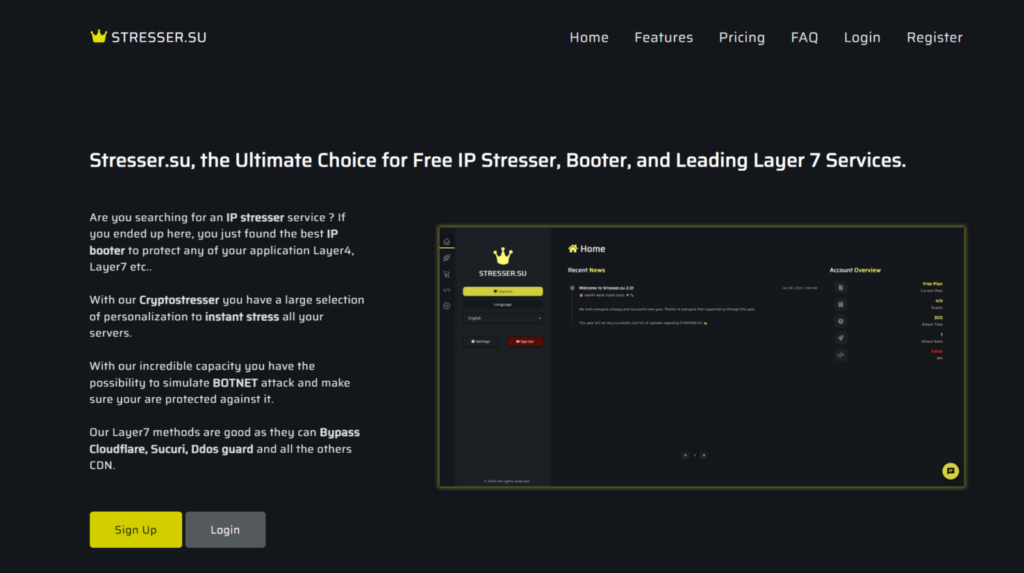
Ip Booter - How To Be More Productive?
In today's digital world, comprehending the concept of IP stressers can be a revelation for many individuals. While these tools are often associated with malicious intent, learning about them can provide valuable insights into internet security. By developing knowledge in this area, users can understand how to protect their own networks and systems from potential attacks, ultimately becoming more aware about cyber threats.In today's online world, understanding the concept of IP stressers can be a game changer for many individuals. Although these tools are often associated with malicious intent, learning about them can provide crucial insights into internet security. By developing knowledge in this area, users can understand how to safeguard their own networks and systems from potential attacks, ultimately becoming more aware about cyber threats.Typically, users deploy IP stressers to simulate the resilience of their networks against DDoS attacks. However, the distinction between legitimate stress testing and malicious use can quickly become blurred. As more users take advantage of these tools, the risk associated with them grows, potentially leaving numerous networks vulnerable to exploitation.
Finally, as the online environment continues to evolve, being educated about the workings of IP stressers and their implications becomes even more vital. Investing time to learn about these tools enables teams to enhance their skills, safeguard their assets, and ultimately create a more resilient online presence. In this ever-changing landscape, staying ahead means understanding what matters, why it matters, and how best to leverage it in your favor.Finally, as the online environment continues to evolve, being educated about the workings of IP stressers and their implications becomes even more vital. Investing time to learn about these tools enables users to enhance their skills, safeguard their assets, and ultimately create a more resilient online presence. In this ever-changing landscape, staying ahead means understanding what matters, why it matters, and how best to leverage it in your favor.
As we continue to advance into a more interconnected world, the dialogue surrounding IP stressers will likely remain critical. Their role as integral components in the cybersecurity landscape cannot be discounted. Ongoing research and partnerships between tech firms and cybersecurity experts will ultimately shape how these tools are perceived—either as lifesavers or threats to our digital existence.As we move forward into a more interconnected world, the dialogue surrounding IP stressers will likely remain critical. Their role as valuable assets in the cybersecurity landscape cannot be discounted. Ongoing research and alliances between tech firms and cybersecurity experts will ultimately shape how these tools are perceived—either as lifesavers or threats to our digital existence.Moreover, learning about IP stressers may assist individuals identify vulnerabilities within their systems. With this newfound awareness, users can implement measures to mitigate risks before a problem occurs. This preventive approach provides peace of mind, as well as the assurance that one’s digital life remains intact. Plus, the skills gained can transfer to both professional and personal spheres.