Body Worn Camera Experiment We Can All Learn From

The employment of body-worn cameras can deliver invaluable evidence that can be used in court cases, ensuring that justice is rightly served. By maintaining an unbiased record of events, both officers and civilians can experience a sense of security. This technology merely help to shield individuals involved but also cultivates community trust in law enforcement agencies.The adoption of body-worn cameras can offer invaluable evidence that can be used in court cases, ensuring that justice is rightly served. By maintaining an unbiased record of events, both officers and civilians can experience a sense of security. This technology merely help to safeguard individuals involved but also cultivates community trust in law enforcement agencies.Amidst the evolving landscape of law enforcement, body worn cameras appear as a key tool in fostering community trust. Such technology are not just about responsibility; they serve to bridge the gap between officers and citizens. By documenting interactions, these cameras provide an objective perspective, ultimately aiding in understanding police-community relationships.
Precisely What Is A Outdated Motive To Buy A Body Worn Camera
Concurrently, it's important to acknowledge concerns surrounding privacy and data security. While body worn cameras can boost trust, the unregulated use of footage could pose risks. Clear guidelines regarding who accesses the footage, when it's reviewed, and how long it’s stored must be established. Lacking proper regulations, community fears may return, creating barriers to the very trust these technologies aim to build.Concurrently, it's important to acknowledge concerns surrounding privacy and data security. While body worn cameras can strengthen trust, the unregulated use of footage could pose risks. Clear guidelines regarding who accesses the footage, when it's reviewed, and how long it’s stored must be established. In the absence of proper regulations, community fears may re-emerge, creating barriers to the very trust these technologies aim to build.
In conclusion, while body worn cameras are not a fix-all for the challenges facing law enforcement today, they hold great potential to foster accountability and strengthen community-police relations. As technology improves and more institutions adopt these tools, a steadfast commitment to transparency and ethical use is essential. Together, with dedicated efforts from both law enforcement and the communities they serve, it’s possible to build a safer, more just society.In conclusion, while body worn cameras are not a fix-all for the challenges facing law enforcement today, they hold significant potential to foster accountability and strengthen community-police relations. As technology improves and more institutions adopt these tools, a steadfast commitment to transparency and ethical use is essential. Together, with dedicated efforts from both law enforcement and the communities they serve, it’s possible to forge a safer, more just society.Moreover, the implementation of body worn cameras has demonstrated beneficial in reducing complaints against officers. Citizens often feel more secure when they know there is a record of encounters, instilling confidence in law enforcement practices. The mere presence of cameras can deter misconduct on all sides, promoting a better environment for engagement. Both citizens and officers see the advantages of this partnership anchored in transparency.
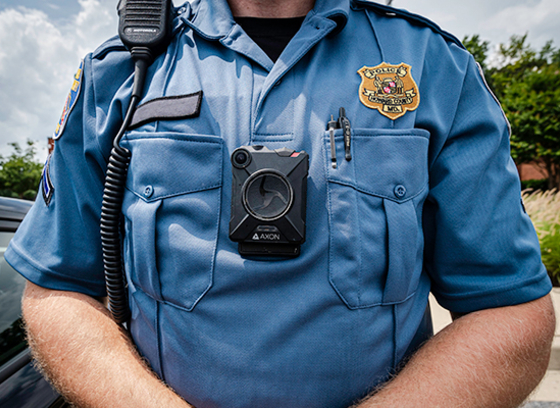
Here's A 2 Minute Video That'll Make You Rethink Your Body Worn Camera Strategy
Including communities in discussions about body worn cameras is essential. Public feedback during policymaking phases ensures that the road to increased transparency reflects community values and desires. Town hall meetings or forums can act as platforms for dialogue, fostering an atmosphere of collaboration. When citizens feel their voices are heard, it contributes significantly to building mutual respect between law enforcement and the communities they serve.Engaging communities in discussions about body worn cameras is essential. Public feedback during policymaking phases ensures that the road to increased transparency reflects community values and desires. Town hall meetings or forums can serve as platforms for dialogue, fostering an atmosphere of collaboration. When citizens feel their voices are heard, it leads significantly to building mutual respect between law enforcement and the communities they serve.
However, the implementation of body-worn cameras is not without its challenges. Privacy concerns arise regarding the storage of footage, and policies must be established to protect individuals’ rights while maintaining public safety. Balancing the interests of transparency with respect for personal privacy remains a critical issue. As technology continues to advance, proper guidelines will be necessary to navigate these complex dilemmas.However, the implementation of body-worn cameras is not without its challenges. Privacy concerns arise regarding the retention of footage, and policies must be established to protect individuals’ rights while maintaining public safety. Balancing the interests of transparency with respect for personal privacy remains a critical issue. As technology continues to advance, proper guidelines will be necessary to navigate these complex dilemmas.
As we look to the future, it is clear that body-worn cameras will play a significant role in the ongoing efforts to reform policing practices. The data collected from these recordings can also help identify patterns of behavior, enabling departments to customize their training programs for individual officers. These analytical insights provide a path toward greater accountability and encourage an ethos of responsibility within law enforcement agencies.As we look to the future, it is clear that body-worn cameras will play a significant role in the ongoing efforts to body worn camera reform policing practices. The data collected from these recordings can also help identify patterns of behavior, enabling departments to tailor their training programs for individual officers. These analytical insights provide a path toward enhanced accountability and encourage an ethos of responsibility within law enforcement agencies.
Latest comments
- respdemman on paranormal dating sites (): Casino Game Tutorials: Learning the Controls Before Playing A casino game...
- respdemman on Karşıyaka Kuru Temizleme Predictions For 205 (): Automaty z motywem przygodowym: co tworzy ich atmosfere? Automaty...
- respdemman on The Secret History Of Bigclashapp.Eu.Com/De-De/ (): Online kaszinok husegprogramjai: hogyan mukodnek a pontok es jutalmak? Az...
- respdemman on Neutropics (): Vergleich der besten Online-Casino-Plattformen 2026 Im...