Volvo Penta Marine Engines Made Simple - Even Your Kids Can Do It

Several Means To Confidence A Free Volvo Penta D4 300
When we think about sailboats, it's fascinating to consider how far we've come in terms of innovation. The evolution from basic rigging to the powerful marine engines of today has truly transformed the yachting experience. This transition not only improved speed but also opened up new horizons for adventurers and enthusiasts alike, making our ocean journeys more enjoyable than ever before.When we think about sailboats, it's fascinating to consider how far we've come in terms of engineering. The evolution from simple sails to the powerful marine engines of today has truly revolutionized the nautical experience. This transition not only improved performance but also opened up new horizons for adventurers and enthusiasts alike, making our ocean journeys more accessible than ever before.In addition, automation has taken center stage in marine propulsion. Autonomous vessels are not only transforming navigation but also how engines operate. Sophisticated software can now precisely adjust engine performance based on real-time data, hence boosting overall system efficiency. This level of precision allows for marked efficiencies in fuel consumption during lengthy voyages.
To summarize, the future of marine propulsion is optimistic. With a integration of electric systems, automation, and renewable resources, vessels are set to become smarter than ever before. The constant pursuit of better designs aims not just at engineering excellence but also at preserving our precious oceans. As these advancements unfold, the seas will soon showcase a fleet of ships that embody the spirit of innovation.In conclusion, the future of marine propulsion is optimistic. With a blend of electric systems, automation, and renewable resources, vessels are set to become smarter than ever before. The constant pursuit of better designs aims not just at engineering excellence but also at preserving our precious oceans. As these advancements unfold, the seas will soon showcase a fleet of ships that embody the spirit of innovation.Understanding the varieties of marine engines available can also aid in making informed choices when selecting a vessel. Two-stroke engines each have their own merits and drawbacks. A two-stroke engine may provide increased power in a compact size but often requires more fuel. Conversely, four-stroke engines are more efficient, making them a popular choice among sailors prioritizing sustainability.
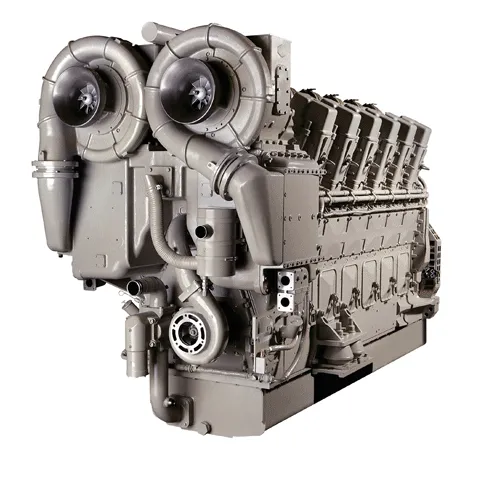
2 Ways You Can Eliminate Volvo Penta Marine Engines Out Of Your Business
There are several key types of marine engines, including gasoline engines. Inboard engines are typically housed within the vessel’s hull, while outboards are mounted to the exterior, making them easier to service. Diesel engines often provide better fuel efficiency and durability compared to gasoline engines, making them a popular choice for larger vessels. Selecting the right engine depends largely on your individual needs and the type of boating you plan to engage in.There are several key types of marine engines, including gasoline engines. Inboard volvo penta marine engines engines are typically enclosed within the vessel’s hull, while outboards are mounted to the exterior, making them easier to service. Diesel engines often provide better fuel efficiency and durability compared to gasoline engines, making them a popular choice for larger vessels. Choosing the right engine depends largely on your specific needs and the type of boating you plan to engage in.
Lastly, considering the environment where you sail is crucial for the longevity of your marine engine. Harsh conditions like saltwater, debris, and extreme weather can impact engine health. Using protective coatings, adding inhibitors, and ensuring proper drainage can significantly enhance the life span of your engine. By remaining vigilant, you are not just safeguarding your investment but also embracing every moment out on the open waters.Lastly, considering the environment where you navigate is crucial for the longevity of your marine engine. Harsh conditions like saltwater, debris, and extreme weather can impact engine health. Using protective coatings, adding inhibitors, and ensuring proper drainage can remarkably improve the life span of your engine. By remaining vigilant, you are not just safeguarding your investment but also enjoying every moment out on the open waters.
That Is A Large Explanation To Catch A Cummins QSB 6.7
Among the most remarkable innovations is the shift towards hybrid propulsion systems. Such setups utilize traditional engines with battery technology, allowing vessels to operate with enhanced fuel efficiency. As an example, numerous companies are unveiling ships that can alternate between diesel and electric modes, enabling them to traverse busy ports while reducing noise and air pollution levels.Among the most significant innovations is the shift towards electric propulsion systems. Such setups combine traditional engines with battery technology, allowing vessels to function with enhanced fuel efficiency. For instance, numerous companies are unveiling ships that can switch between diesel and electric modes, enabling them to traverse congested ports while lowering noise and air pollution levels.
The advent of hybrid power systems has been a game-changer for marine engineering. Such technologies are not only revolutionizing how we perceive marine propulsion but also emphasizing sustainable practices. By reducing carbon emissions and decreasing reliance on fossil fuels, modern innovations in marine engine technology pave the way for a cleaner future on the water.The advent of electric power systems has been a game-changer for marine engineering. Such technologies are not only changing how we perceive marine propulsion but also emphasizing environmental practices. By reducing carbon emissions and decreasing reliance on fossil fuels, modern innovations in marine engine technology pave the way for a cleaner future on the waves.
In addition, the integration of smart systems into marine engines is enhancing safety. With the help of sensors and data analytics, vessels can now optimize their tasks. This not only improves safety measures but also aids in predicting maintenance needs, ensuring that ships remain ready while minimizing costs associated with unexpected failures.Moreover, the integration of smart systems into marine engines is enhancing safety. With the help of sensors and data analytics, vessels can now optimize their tasks. This also improves safety measures but also aids in predicting maintenance needs, ensuring that ships remain at peak performance while minimizing costs associated with unexpected failures.