Volvo Penta D4 300 - The Six Figure Challenge

19 Points To Sell A Huge Bukh Diesel Engines For Sale
The use of advanced materials is also playing a crucial role in shaping the future of marine engines. Lighter and stronger materials lead to reduced weight, which directly impacts overall performance. By lessening the load on the engine, these materials help to optimize fuel consumption and prolong operational lifespan, providing a clear edge in competitive maritime markets.The adoption of advanced new alloys is also playing a crucial role in shaping the future of marine engines. Lighter and stronger materials lead to reduced weight, which directly affects overall volvo penta d4 300 performance. By lessening the load on the engine, these materials help to enhance fuel consumption and extend operational lifespan, providing a clear edge in competitive maritime markets.One key aspect of maintaining your marine engine is to regularly change the oil and filters. Oil that's been used too long can deteriorate, leading to inefficient engine performance. Additionally, dirty filters can restrict fuel flow and disrupt engine functions. By keeping these components fresh, you are promoting better fuel efficiency and overall engine health, which translates to smoother sailing.
Environmental concerns have led to innovative designs in marine engines, focusing on reducing emissions and improving fuel economy. Manufacturers are increasingly developing electric and hybrid models, which offer an eco-friendly alternative to traditional options. These advancements reflect a growing awareness of eco-consciousness within the maritime industry. As alternatives become commercially viable, the landscape of marine propulsion is expected to shift significantly over the next few decades.Environmental concerns have led to innovative designs in marine engines, focusing on reducing emissions and improving fuel economy. Manufacturers are now developing electric and hybrid models, which offer an eco-friendly alternative to traditional options. These advancements reflect a growing awareness of environmental responsibility within the maritime industry. As alternatives become commercially viable, the landscape of marine propulsion is expected to shift significantly over the next few decades.
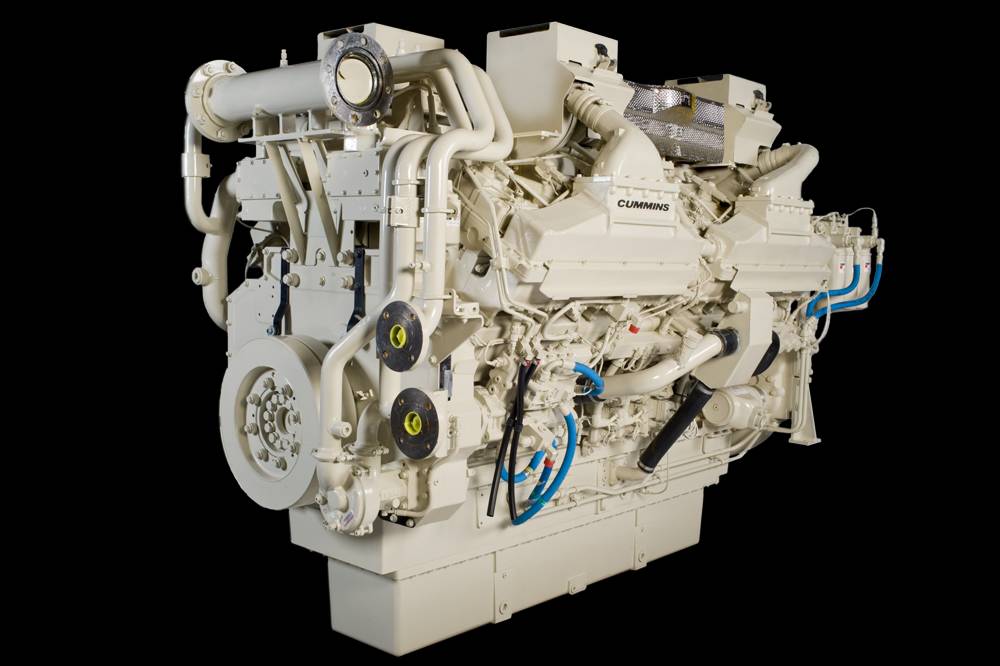
Quick And Easy Fix For Your Mercruiser Marine Engines
As we look ahead, the integration of digital control systems into marine engine design represents another exciting phase in this evolution. With advanced automation, today's vessels can optimize performance while lowering fuel consumption further. Such innovations pave the way for unprecedented levels of efficiency and safety, setting a course toward a more connected and knowledgeable maritime sector.As we look ahead, the integration of AI into marine engine design represents another exciting phase in this evolution. With advanced sensors, today's vessels can optimize performance while reducing fuel consumption further. Such innovations pave the way for unprecedented levels of efficiency and safety, setting a course toward a more connected and knowledgeable maritime sector.One interesting fact is that numerous marine engines operate at a much lower RPM compared to automotive engines. While car engines typically run between 2,000 and 6,000 RPM, marine engines usually function efficiently around 1,500 to 3,000 RPM. This lower range allows for greater torque and fuel efficiency, making them ideal for long journeys across vast oceans. Surprisingly, this design choice ensures that boats can maintain power without unnecessary strain on their engines.
In addition, the global shipping industry relies heavily on marine engines for commerce and trade. These engines facilitate the movement of goods across continents, shaping the world economy. With the surge in online shopping and demand for prompt delivery, efficient marine engines have become more critical than ever. Their ability to transport bulk shipments swiftly and safely helps keep the wheels of global trade turning smoothly, demonstrating their economic importance.In addition, the global shipping industry relies heavily on marine engines for commerce and trade. These engines facilitate the movement of goods across continents, shaping the world economy. With the surge in online shopping and demand for prompt delivery, efficient marine engines have become more critical than ever. Their ability to transport large quantities swiftly and safely helps keep the wheels of global trade turning smoothly, demonstrating their economic importance.
Succeed With Volvo Marine Engines In 9 Hours
Another commonly disregarded area in marine engine maintenance is the cooling system. Keeping your engine cool is paramount because overheating can lead to catastrophic failures. Consistently checking the coolant levels, inspecting hoses for leaks, and flushing the system as recommended by the manufacturer can help prevent such issues. Remember, a healthy cooling system is the backbone of a dependable marine engine, ensuring that your vessel operates at peak performance.Another commonly disregarded area in marine engine maintenance is the cooling system. Keeping your engine cool is crucial because overheating can lead to catastrophic failures. Consistently checking the coolant levels, inspecting hoses for leaks, and flushing the system as recommended by the manufacturer can help prevent such issues. Remember, a properly serviced cooling system is the backbone of a dependable marine engine, ensuring that your vessel operates at peak performance.
Did you know that some marine engines can be as powerful as 5,000 horsepower? These powerhouse engines are typically found in commercial craft and racing boats, showcasing incredible speed and performance. The horsepower rating is a testament to the engineering behind these machines. In contrast, smaller recreational boats might only require engines with 50 to 200 horsepower, perfectly suited for leisure activities like fishing or cruising along scenic coastlines. This diverse range highlights the versatility of marine engine applications.Did you know that some marine engines can be as powerful as 5,000 horsepower? These powerhouse engines are typically found in commercial craft and racing boats, showcasing incredible speed and performance. The horsepower rating is a testament to the engineering behind these machines. In contrast, smaller recreational boats might only require engines with 50 to 200 horsepower, perfectly suited for leisure activities like fishing or cruising along scenic coastlines. This diverse range highlights the versatility of marine engine applications.