Recognizing the Warning Signs of Damp in Your Property

Damp issues, if left unaddressed, can quickly escalate into far more serious problems. Over time, untreated damp can cause extensive damage to the structure of your property, potentially leading to costly repairs involving builders, surveyors, and other specialists. The unfortunate reality is that when damp is ignored, it almost always worsens, posing a risk to the integrity of your home and resulting in significantly higher repair expenses in the long term.
However, by diagnosing damp problems early, you can mitigate these risks. Prompt intervention allows the root cause of the damp to be identified and treated both effectively and economically. The sooner you act, the more manageable the situation will be, reducing the likelihood of expensive and extensive structural damage.
At the first sign of damp, it’s crucial to contact a professional damp proofing specialist. Taking immediate action not only protects your property but also saves you money in the long run by preventing the issue from escalating.
North West Damp Proofing is a trusted, time-served local company with extensive experience in all aspects of damp treatment and remedial repair work. Our team is dedicated to providing comprehensive solutions to safeguard your home from the potentially damaging effects of damp.
Main Causes of Damp and Mold
Damp and mold in homes are often caused by a combination of factors related to moisture accumulation and poor ventilation. Here are the main causes:
1. Condensation: This occurs when warm, moist air comes into contact with cold surfaces, such as windows, walls, and mirrors. The moisture in the air condenses into water droplets, which can lead to dampness and mold growth. Damp Proof Course Manchester of indoor moisture include cooking, bathing, drying clothes indoors, and using unvented heaters.
2. Leaks: Water ingress from leaks in roofs, walls, windows, or plumbing can lead to damp areas, which can encourage mold growth. Leaks can be from rainwater, faulty gutters, or broken pipes.
3. Poor Ventilation: Inadequate ventilation prevents moisture from escaping, allowing it to build up inside the home. This is particularly common in bathrooms and kitchens where a lot of moisture is generated.
4. Rising Damp: This occurs when groundwater rises up through walls and floors, typically due to a lack of a proper damp-proof course or a damaged one. It can cause significant damage to the structural integrity of a building.
5. Flooding: Past flooding incidents, even if they happened a long time ago, can leave behind dampness if the property was not properly dried out afterward.
6. High Humidity: In some climates, high outdoor humidity levels can contribute to indoor dampness, especially if the home is not adequately sealed and ventilated.
7. Structural Issues: Poor construction practices, such as inadequate damp-proofing or insulation, can contribute to moisture problems. For example, cold bridges (areas of a building that are less insulated) can attract condensation.
8. Lifestyle Factors: Everyday activities such as not using extractor fans, keeping windows closed, and not heating the home adequately can exacerbate moisture problems.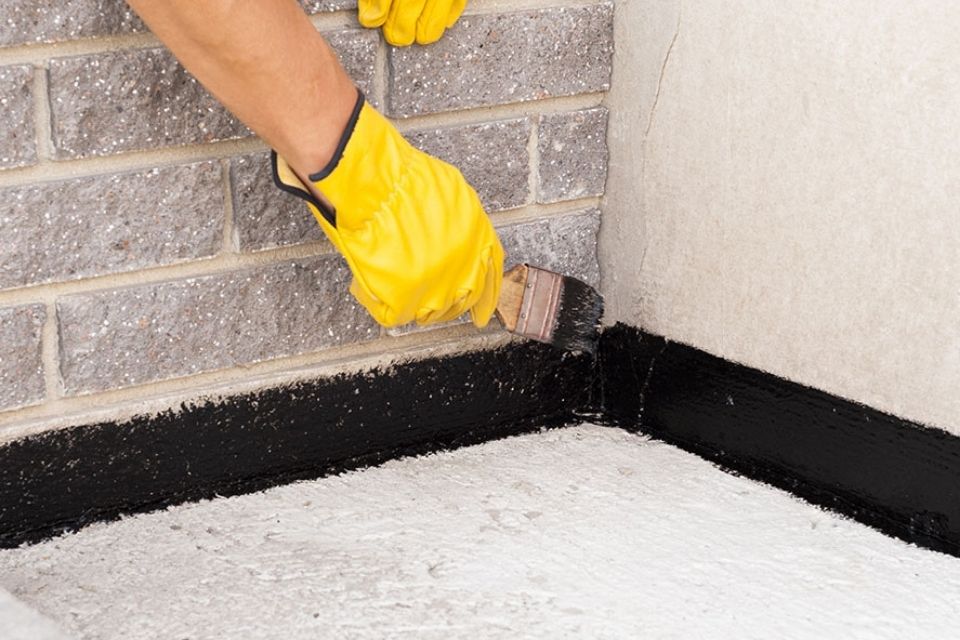
Addressing damp and mold issues typically involves identifying and mitigating these causes. This can include improving ventilation, fixing leaks, installing damp-proof courses, using dehumidifiers, and ensuring proper insulation. Regular maintenance and prompt repairs are crucial to prevent and manage dampness and mold growth.
Finding Damp in your home or business can be a serious problem, leading to health issues and extensive damage to your property. This is why North West Damp Proofing are offering a Free Damp Survey for Residents of Stockport with no oblogation to have any work done. Our experts will be 100% upfront with you and if yor issue is not related to rising damp, for example a leak then they'll tell you, so what do you have to lose?
Latest comments
No comments