Whenever Might You Find Iron Rolling Mill

Rolling Mill Supplier Guide To Communicating Value
One of the most remarkable aspects of steel rolling plants is their ability to produce varied products, from structural materials to automotive components. This flexibility allows Iron rolling mill manufacturers to respond quickly to market demands, ensuring that the supply chain remains effective and responsive. Furthermore, many innovative mills utilize advanced technology like automation and AI to improve efficiency and reduce waste.One of the most remarkable aspects of steel rolling plants is their ability to produce diverse products, from building materials to automotive components. This flexibility allows manufacturers to react quickly to market demands, ensuring that the supply chain remains efficient and agile. Furthermore, many innovative mills utilize cutting-edge technology like automation and AI to improve efficiency and reduce waste.The final output of the iron rolling mill plays a pivotal role in many fields of construction and manufacturing. From cars to skyscrapers, the manufactured materials are necessary components. Clients depend on the quality and durability of these products, fostering a strong sense of obligation among the staff. Ensuring high standards helps maintain relationships with partners and fosters reliability in the industry.
Furthermore, the choice of materials used in the rolling process—particularly alloys—is also of utmost importance. Different mixes have unique properties that permit them to operate differently under stress and heat. Knowing which materials to use for a specific purpose can create the difference between a successful run and a costly failure.Moreover, the choice of materials used in the rolling process—particularly alloys—is also important. Different mixes carry unique properties that allow them to operate differently under stress and heat. Knowing which materials to use for a specific purpose can make the difference between a successful run and a costly failure.Steel forging mills have arrived as the crucial foundation of contemporary production. These places play a pivotal role in shaping raw metals into products that power countless industries. The technique of rolling iron involves melting the metal to a elevated temperature, followed by passing it through machines to create the desired shape and thickness.
Why My Rolling Mill Supplier Is Better Than Yours
Security is another important consideration in today's iron rolling mills. With the use of massive machinery and the handling of hot material, ensuring a safe work environment is essential. Workers are trained rigorously on health regulations and practices to prevent accidents and ensure that everyone goes home unharmed. Additionally, spending in safety equipment and protocols reflect a growing awareness of worker welfare in the industry.Safety is another critical consideration in today's iron rolling manufacturing plants. With the use of massive machinery and the handling of hot material, ensuring a safe work environment is essential. Workers are trained rigorously on safety and practices to prevent accidents and ensure that everyone goes home safe. Additionally, investments in safety equipment and protocols reflect a growing recognition of worker welfare in the industry.
That craft of working steel remains a fascinating field that has changed through the decades. In this regard, mastering the metal rolling mill process is a crucial step for individuals in the industry. This process not only involves machinery, but also demands an understanding of substances and techniques that have lasted the test of time.The craft of working steel remains a captivating field that has developed through the years. In this regard, mastering the iron rolling mill process serves as a key step for anyone in the field. This process merely entail machinery, but also demands an understanding of materials and techniques that have lasted the test of time.
What Donald Trump Can Teach You About Rolling Mill Manufacturer
Following grasping the basics, it’s also important to hone one’s techniques during the rolling process. Effective handling of machinery is critical to avoid errors. Regular maintenance and evaluations of equipment will provide safety and improve efficiency. A well-functioning mill can not only boost production rates but also minimize waste, ultimately contributing to more sustainable practices within the industry.Following grasping the basics, it’s just as important to hone one’s techniques during the rolling process. Suitable handling of machinery is critical to avoid errors. Regular maintenance and checks of equipment will provide safety and improve efficiency. A well-functioning mill can not only enhance production rates but also reduce waste, at last contributing to more sustainable practices within the industry.The environmental impact of manufacturing practices is another area where innovation is making strides. Many iron rolling mills are investing in clean energy sources like solar, wind, and hydroelectric power to diminish their carbon emissions. This shift towards greener practices is not just beneficial for the planet; it can also attract customers who value eco-friendly products. Companies dedicated to sustainable initiatives often enjoy greater brand loyalty and market share.
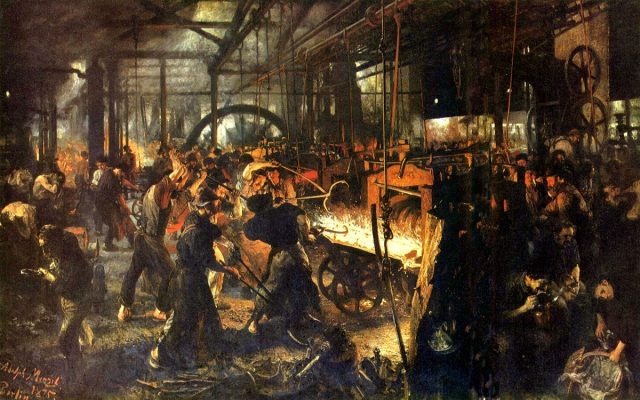
Beneath the surface of an innovative iron rolling mill, there lies a intriguing world of equipment and dedication. Each day, skilled workers arrive early in the morning, ready to process raw iron into sleek sheets or beams that are essential for numerous industries. The ambiance is often filled with a combination of sounds, from the roaring machines to the clattering of metal.Beneath the facade of an advanced iron rolling mill, there lies a captivating world of machinery and dedication. This day, skilled workers arrive early in the morning, ready to convert raw iron into thin sheets or beams that are essential for various industries. The atmosphere is often filled with a combination of hums, from the growling machines to the ringing of metal.In conclusion, iron rolling mills stand as a testament to the evolution of the manufacturing process. They not only serve as a support for various industries but also continuously adapt to meet new challenges. The combination of innovation, safety measures, and a commitment to sustainability ensures that these mills remain at the forefront of industrial development. As we move further into the 21st century, their influence on global economics and manufacturing practices will remain significant.
Latest comments
No comments